From Art History to the Art of History
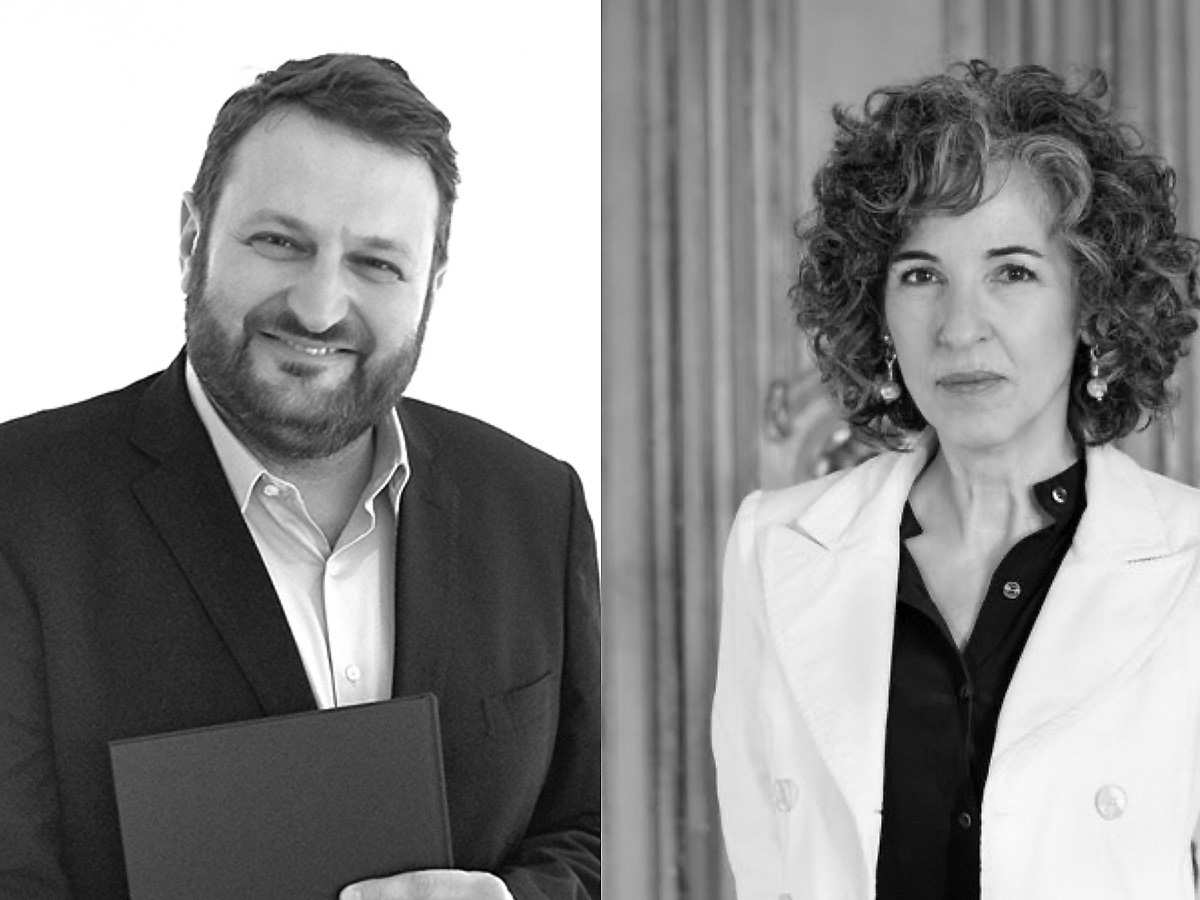
A dialogue between Rose Marie Barrientos and Éric Monsinjon on their unconventional methodologies for constructing art history.
Their singular perspectives on their fields and professions open up questions about art history as a field of knowledge and explore its possibilities for development.
Rose Marie Barrientos examines the possibility of art as argument, starting from an understanding of art as a form of thought, discourse and economic knowledge generated by artists’ organisations known as “critical enterprises”. As an argumentalist historian, she has developed a methodology grounded in argumentation, enabling art history to be written using tools borrowed from that discipline. Her approach analyses the argumentative strategies artists employ to give meaning to their work, rather than their production of artworks, whether visual or invisual in nature. She prioritises argumentative elements and the dynamics of the argument over the form and content through which it is conveyed. She teaches at ENDA (École nationale d’art de Paris), the school of the Biennale de Paris.
Art historian and philosopher Éric Monsinjon specialises in twentieth-century artistic avant-gardes and experimental contemporary art. His research focuses particularly on Lettrism and the Situationist International. He teaches the history of the arts at the Académie de la Comédie-Française, at ENDA (École nationale d’art de Paris), and at various art schools in France. He also founded “L’Anti-Esthétique”, a blog on Mediapart devoted to experimental research in art and intended for a general audience. He is currently developing a general theory of the formation and formalisation of new arts. Through appropriate actions and means, this involves consciously and methodically transforming certain human activities or forms of non-artistic knowledge into autonomous arts. He believes that the act of creation should not be confined to the scale of an artwork, but should also extend to the scale of an art. In 2023, he met José Manrubia, who offered him the opportunity to work on theorising the founding concepts of Corrida Etica.